

How to Choose the Right Firearm: Use This Practical Buyer’s Checklist
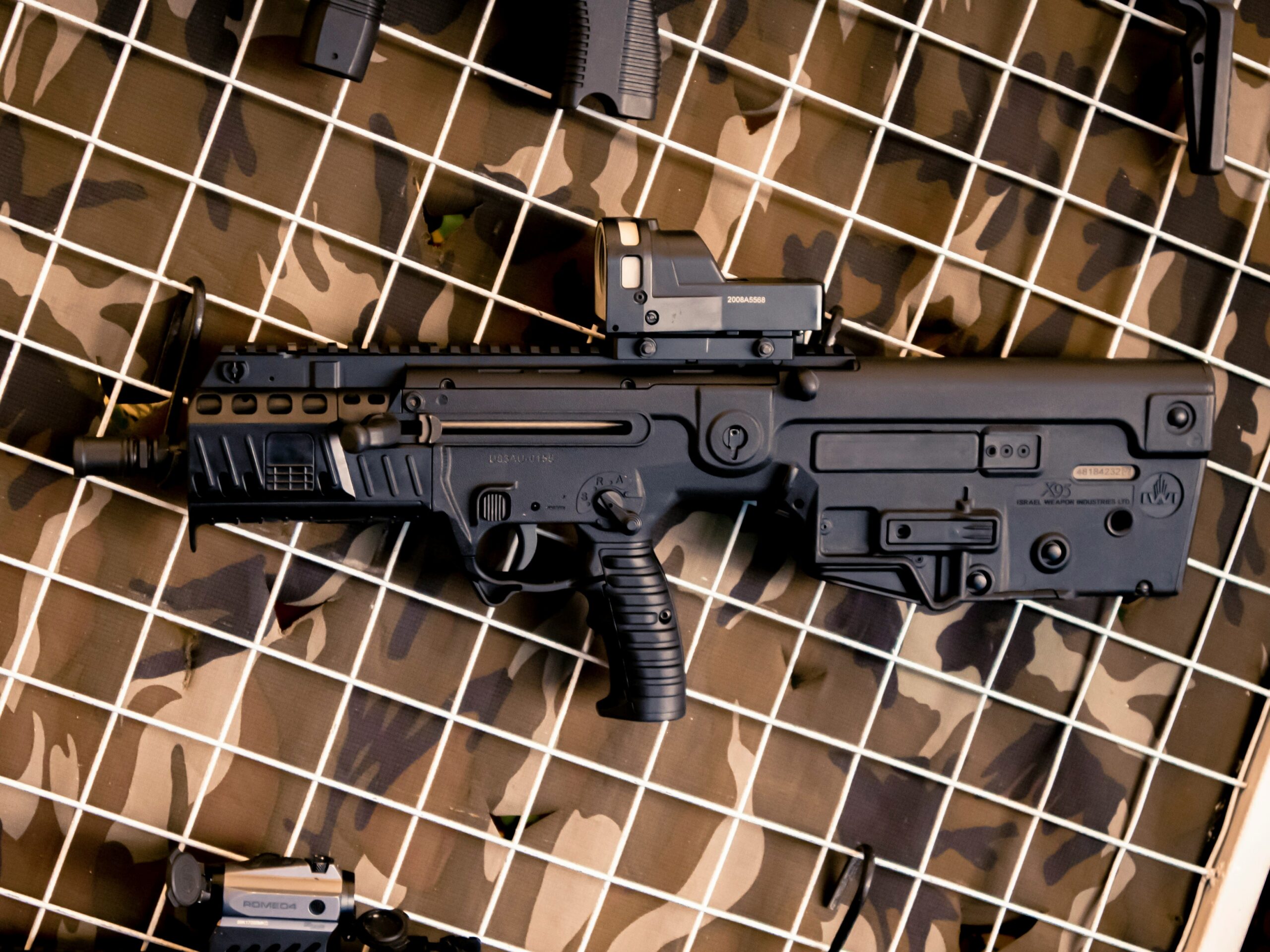
Before shopping for a firearm, write down its primary purpose—such as hunting, sporting use, collecting, or home defense—so you can compare options against a clear need. Consider where it will be stored, who may have access to the area, and which secure storage solution you will have ready before bringing it home. At the counter, check whether the grip, stock, controls, and trigger reach feel comfortable while following staff instructions and keeping the firearm pointed in a safe direction. Ask about recoil, action type, maintenance needs, ammunition availability, and the practical tradeoffs between compact and full-size designs. If you are uncertain, avoid choosing solely by appearance, price, or online popularity; a dependable model that fits you and your intended use is usually the better long-term value. Bring valid identification and contact River Ridge Arms before visiting to confirm the current paperwork and eligibility requirements that apply in Connecticut, especially for a first purchase or FFL transfer. New owners should also budget for secure storage, appropriate eye and ear protection, cleaning supplies, and professional safety training rather than treating the firearm as the only necessary purchase. After buying, read the manufacturer’s manual, arrange qualified instruction, and have any reliability problem, damaged part, or questionable modification assessed by an experienced gunsmith instead of attempting a guess-based repair. By preparing questions and taking time to compare suitable choices at River Ridge Arms in Deep River, customers can make a more informed, responsible decision without feeling rushed.
Benefits
- Start by defining the firearm’s intended purpose, whether for hunting, sporting use, collecting, or home defense.
- Compare grip size, trigger reach, controls, action type, and overall fit with help from knowledgeable staff.
- Consider recoil, ammunition availability, maintenance needs, and secure storage before choosing a model.
- For an FFL transfer, contact the shop before ordering and confirm the required identification, paperwork, and Connecticut compliance steps.
- Have feeding issues, worn parts, damaged sights, or other concerns evaluated by an in-house gunsmith instead of attempting guesswork repairs.
The right firearm is not simply the one with the best price or specifications—it is the one that fits your hand, suits its intended purpose, uses manageable ammunition, and can be stored and maintained responsibly. Slow down, handle your options, ask questions, and understand every tradeoff before making your decision.